
Filters creating thousands of junk URLs
Colour, size and sort parameters multiply into near-duplicate pages that soak up crawl budget while new products wait to be indexed.
E-commerce SEO audit
Online stores generate thousands of URLs from filters, variants and sorting. We find which ones waste crawl budget, which category pages are underperforming and what to fix first, in order of the revenue at stake.

The short answer
An e-commerce SEO audit checks how search engines crawl and index category, product and filter pages, whether faceted navigation creates duplicate or thin URLs, how out-of-stock and discontinued products are handled, structured data for products and reviews, site speed on key templates, internal linking to money categories, and whether analytics records revenue by landing page.
Where the money leaks
Colour, size and sort parameters multiply into near-duplicate pages that soak up crawl budget while new products wait to be indexed.
Thin category pages show a product grid and nothing else, so search engines cannot tell why yours deserves to rank above a marketplace.
Broken e-commerce tracking or consent gaps mean organic revenue by landing page is missing, so SEO is judged on traffic alone.
How we work
Six connected layers, run by one senior team. Each layer has a deliverable and a number it is judged on, so you always know what is working.
What is a client acquisition system?Outcomes
What's included
Results from real accounts
Client names are kept private. Figures are quoted exactly as reported in each account, in the client's own currency.
A Canadian bedding e-commerce brand · Google, Microsoft and YouTube Ads
Google, Microsoft (Bing) and YouTube Ads ran together at more than $20K a month, producing 83.3K purchases at $0.64 per conversion.
Read the case study →Tracking infrastructure across our client portfolio · Google Tag Manager, GA4, server-side
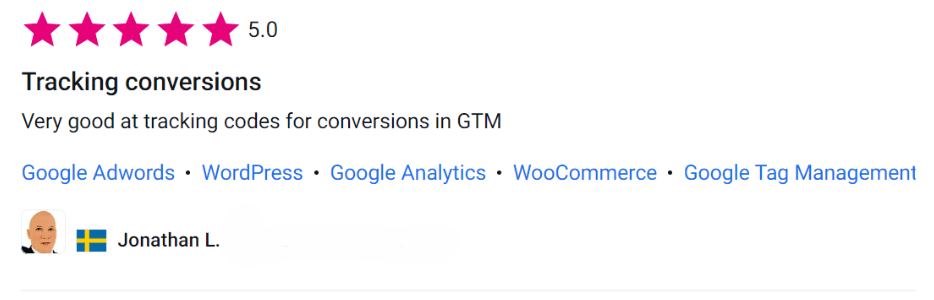
Web and server-side Google Tag Manager containers deployed and maintained across more than 50 client accounts in nine countries.
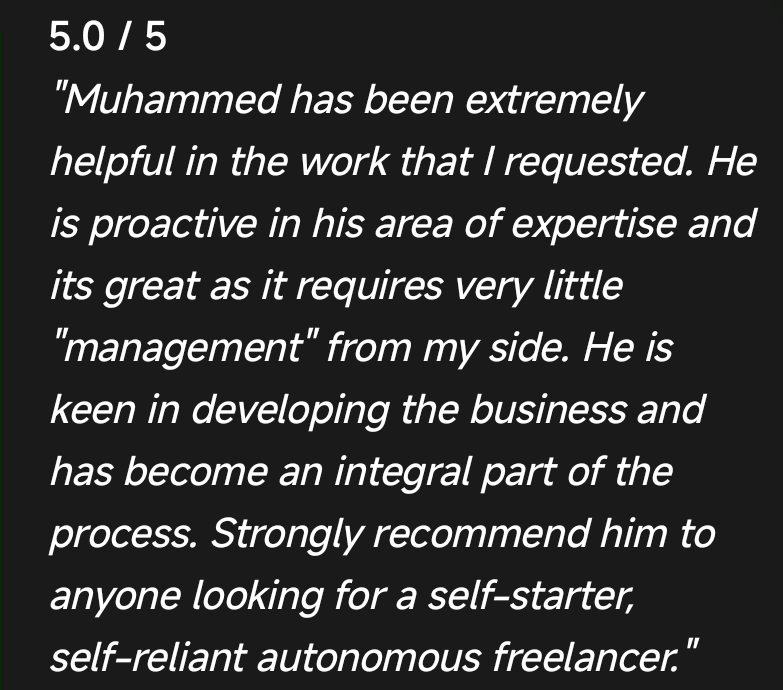
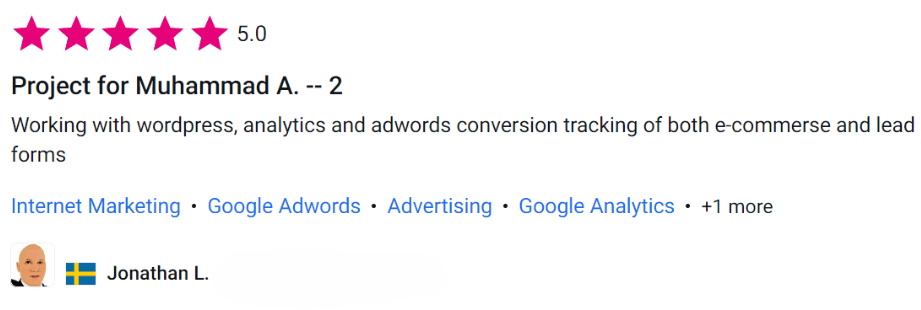
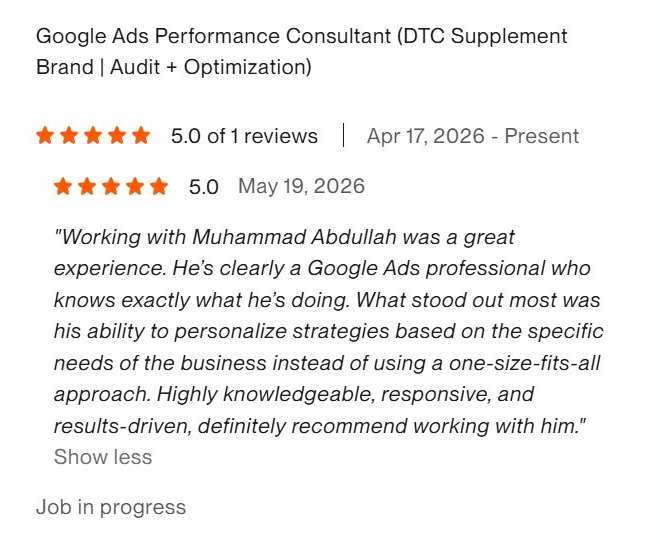
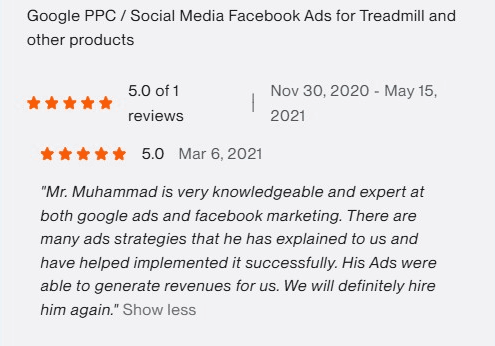
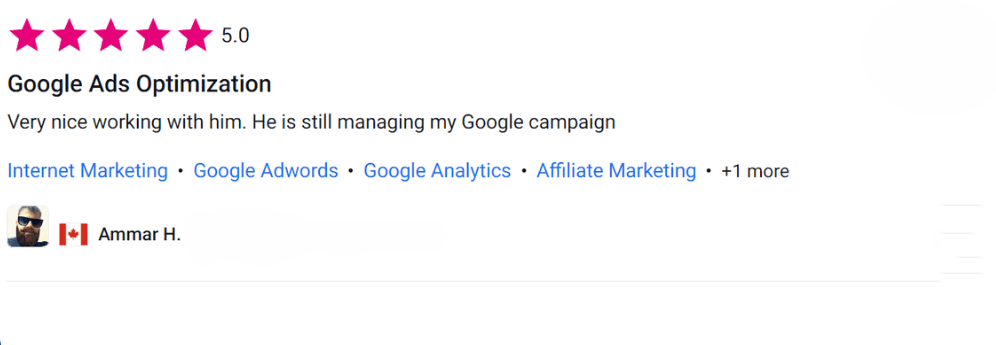
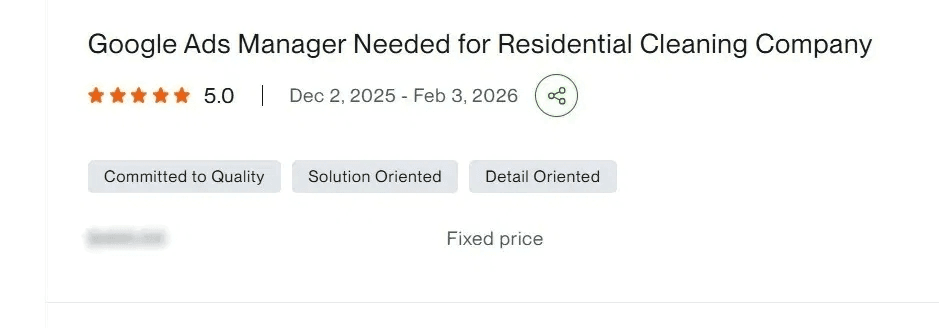
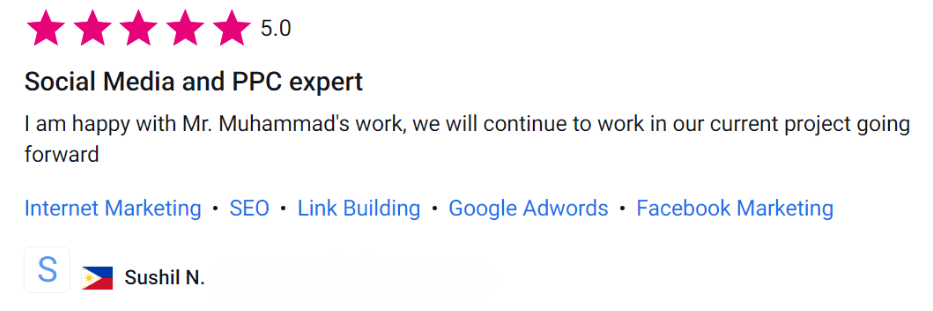
Read the case study →Client reviews

The process
Within 2 business days
We review your ads, pages, tracking and follow-up, then send a recorded walkthrough of the leaks we found and what each one costs you.
Weeks 1 to 4
Tracking first, so every later decision runs on real numbers. Then the pages and the follow-up that turn clicks into booked revenue.
Weeks 3 to 8
Campaigns built around how your buyers search and decide, measured on booked revenue rather than clicks or form fills.
Week 9 onwards
Weekly tests and a monthly revenue review. After the 90-day initial term the engagement runs month to month.

The architect behind the system
Pharm.D, MBA · Founder & Chief Systems Architect
“Most marketing problems are diagnosis problems. We find out exactly where the money leaks before we prescribe a single campaign, and we judge everything on booked revenue.”
Dr. Abdullah's doctorate is in pharmacy (Pharm.D). He is not a medical doctor and does not give clinical advice.
Most stores take one to two weeks, depending on catalogue size and platform. Very large catalogues are sampled by template so the findings apply across every product and category.
Yes. Shopify, WooCommerce, Magento and headless stores each create duplicate URLs in their own ways, so the recommendations are written for your platform.
You can take the plan to your own developers, or our team can implement the fixes. Many clients start with the audit and then move to ongoing e-commerce SEO.
Without reliable revenue by landing page, there is no way to rank fixes by value or show whether they worked. Tracking issues are found in most audits.
Free, no obligation
We review your ads, website, tracking and follow-up, then send a recorded walkthrough of where revenue is leaking and what to fix first. Within two business days, with no obligation.

Reviewed personally by Dr. Muhammad Abdullah, Pharm.D, MBA, Founder & Chief Systems Architect.
Prefer to talk? Book a 30-minute strategy call with the founder.