
Cost per lead looks fine, cost per patient does not
Leads are cheap when nobody checks how many become attended appointments. The real number is cost per new patient.
Patient Acquisition System
Our Patient Acquisition System joins up the five places clinics lose patients, from the search result to the reminder the night before, and measures what each new patient really costs.

The short answer
A patient acquisition system is the connected set of campaigns, pages, tracking and follow-up that turns people searching for a treatment into attended appointments. It measures cost per new patient rather than cost per lead, so a clinic can see exactly where enquiries are lost and which fix will add the most patients.
Where the money leaks
Leads are cheap when nobody checks how many become attended appointments. The real number is cost per new patient.
Calls that ring out while reception is busy are often patients who will not try again.
Without reminders and easy rescheduling, booked appointments are lost at the last step.
How we work
Six connected layers, run by one senior team. Each layer has a deliverable and a number it is judged on, so you always know what is working.
What is a client acquisition system?Outcomes
What's included
Results from real accounts
Client names are kept private. Figures are quoted exactly as reported in each account, in the client's own currency.
A facial plastic surgery practice in Washington, D.C. · Google Ads
Campaigns were rebuilt around individual procedures and the conversion action was changed to consultation requests. Cost per conversion fell from $141.68 to $61.12 and conversions rose from 34 to 99 on the same account.
Read the case study →A health and wellness summit · Meta Ads
Cost per lead fell from $223 to $4.89 inside one quarter, producing 249 qualified leads.
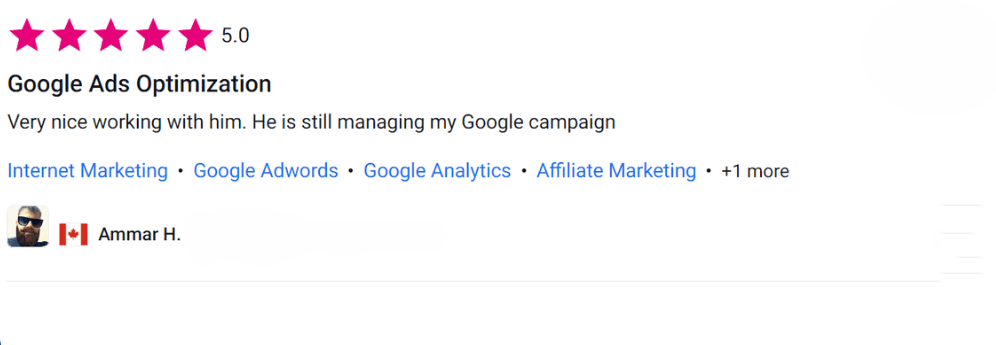
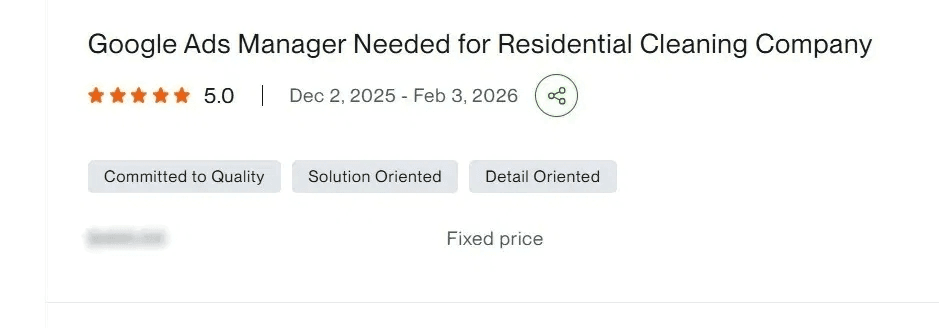
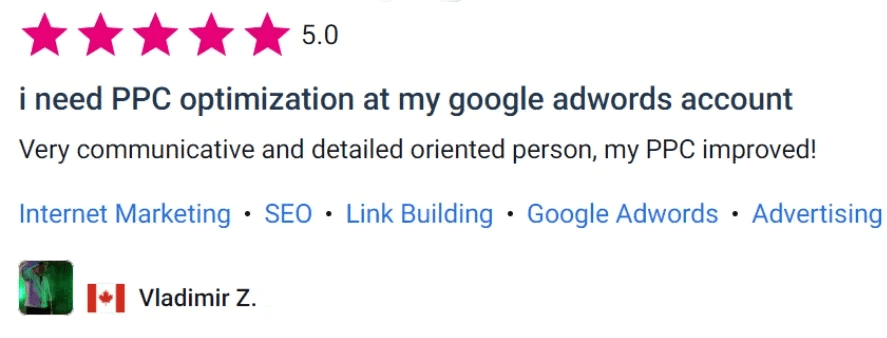
Read the case study →Client reviews






The process
Within 2 business days
We review your ads, pages, tracking and follow-up, then send a recorded walkthrough of the leaks we found and what each one costs you.
Weeks 1 to 4
Tracking first, so every later decision runs on real numbers. Then the pages and the follow-up that turn clicks into booked revenue.
Weeks 3 to 8
Campaigns built around how your buyers search and decide, measured on booked revenue rather than clicks or form fills.
Week 9 onwards
Weekly tests and a monthly revenue review. After the 90-day initial term the engagement runs month to month.

The architect behind the system
Pharm.D, MBA · Founder & Chief Systems Architect
“Most marketing problems are diagnosis problems. We find out exactly where the money leaks before we prescribe a single campaign, and we judge everything on booked revenue.”
Dr. Abdullah's doctorate is in pharmacy (Pharm.D). He is not a medical doctor and does not give clinical advice.
Add your ad spend and fees for the month, then divide by the number of new patients who attended. Our patient acquisition cost calculator does this and shows where the funnel loses people.
Private clinics and practices that sell consultations and treatments, including dental, aesthetics, physiotherapy, chiropractic, optometry and specialist clinics.
No. Automation handles the instant reply and reminders so your team can focus on calls and patients. Most clinics find reception has more time, not less.
Follow-up and tracking fixes can change results within weeks. Paid campaigns usually settle over the first two to three months.
Free, no obligation
We review your ads, website, tracking and follow-up, then send a recorded walkthrough of where revenue is leaking and what to fix first. Within two business days, with no obligation.

Reviewed personally by Dr. Muhammad Abdullah, Pharm.D, MBA, Founder & Chief Systems Architect.
Prefer to talk? Book a 30-minute strategy call with the founder.