Get a free audit

Web design and development agency

Websites engineered to convert. Designed to be remembered.

WordPress, Webflow, Shopify, Odoo, Astro and custom builds, with the tracking, speed and conversion architecture already wired in.

  • Fixed quote within 48 hours
  • Speed budget on every page
  • You own the site and the code

Built on the platforms your team can run

  • WordPress
  • Webflow
  • Shopify
  • WooCommerce
  • Astro
  • React
  • Odoo
  • Figma
  • GA4
  • Server-side GTM
  • Schema.org
  • HubSpot
  • GoHighLevel
LCP < 2.0 s
speed budget
48 h
to a fixed quote
4–6 wks
typical marketing site
301
map for every old URL

What is conversion-focused web design?

The short answer

Conversion-focused web design builds every page around the next step you want a visitor to take: call, book, buy or request a quote. Message, proof, form and speed are designed for that action, then measured with analytics and improved with tests, instead of being judged on looks alone.

Websites are the Pages layer of the IMPACT system, so tracking and follow-up are built in from the first wireframe.

  • 21.6%more lead-generation visitors reached the form page after a 0.1 s mobile speed gain
  • 9.2%more spent by retail shoppers after the same speed gain
  • −89%cost per conversion for an office-furniture dealer after one dedicated page
  • 6×+conversion rate on that same page, from 0.02% to 0.13%

Speed figures: Deloitte for Google, Milliseconds Make Millions (2020).

A beautiful site that doesn’t convert is an expensive brochure.

Most sites are designed for approval meetings, not for buyers. We design around the next step (call, book, buy), then prove it with speed budgets, analytics and A/B tests.

  1. 01 Message

    The headline matches the ad

    The headline repeats the promise of the ad or search that brought the visitor. When the words match, people stay, and the relevance usually earns cheaper clicks too.

  2. 02 Shape

    One action per screen

    One gold button, proof beside it, and a form that asks for three things. Every extra field costs enquiries, so we ask for the rest after the first reply.

  3. 03 Energy

    Fast on a mid-range phone

    Every page ships against a budget: LCP under 2.0 seconds, INP under 200 milliseconds and CLS under 0.05, measured on real devices.

  4. 04 Loop

    Nothing is lost

    Calls, forms, bookings and purchases fire clean events into GA4, server-side GTM and your CRM from day one, so every lead arrives with its source. On healthcare sites, ad pixels stay off pages that could reveal health information.

  5. 05 Tuning

    Then the page earns its keep

    After launch we A/B test the pages that carry revenue, one change at a time, and keep the winners.

Selected work

Real pages from client systems. Client names stay confidential; every number links to its case study.

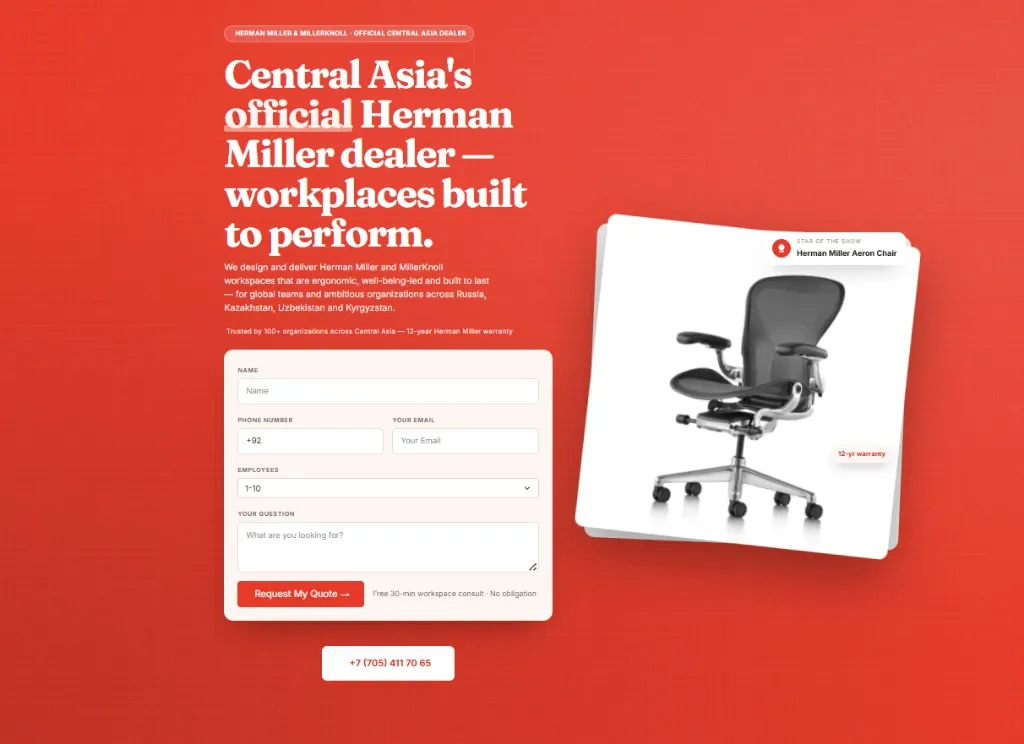
Dedicated B2B landing page for an office-furniture dealer, with dealer status in the headline and a short qualifying form
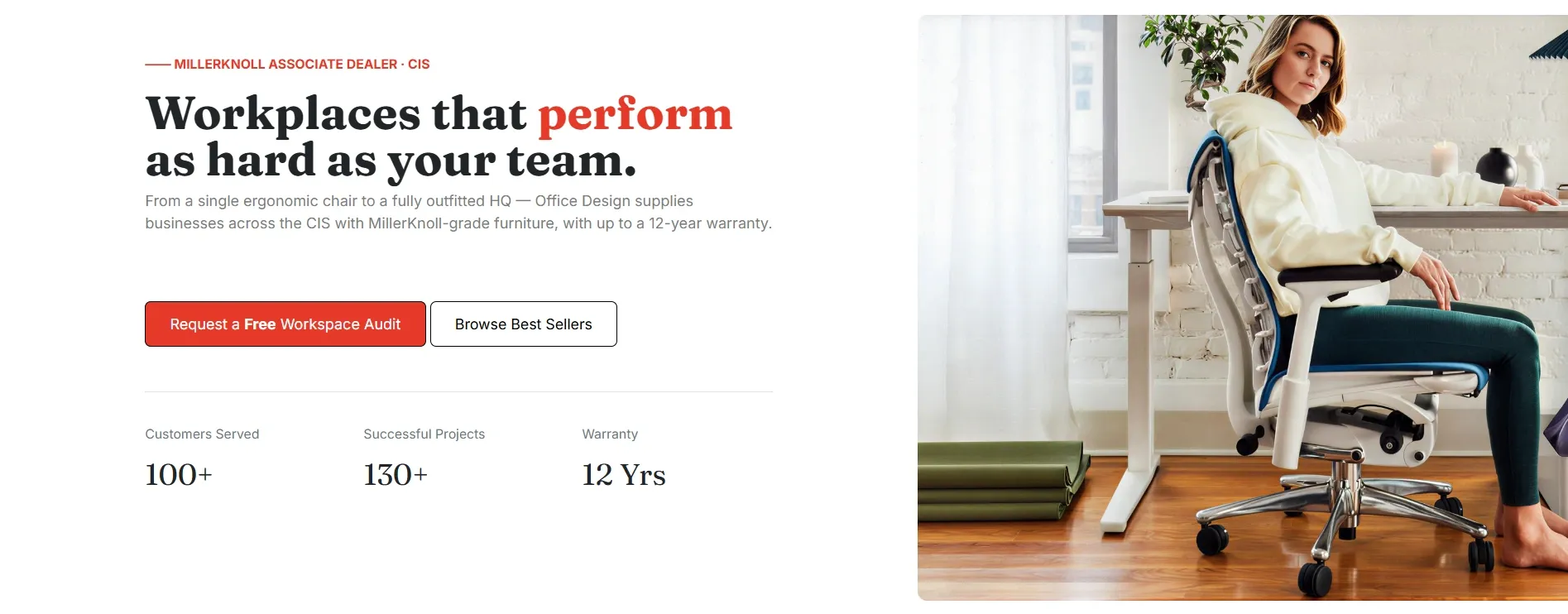
The furniture shop homepage that paid traffic landed on before the change
Before: homepage After: B2B page
  • B2B office furniture
  • Central Asia
  • Landing page

One landing page swap cut cost per conversion 89%.

Ads for an official office-furniture dealer were landing on a homepage built for chair shoppers. We built a page for procurement teams, with dealer status up front and a short qualifying form. Targeting stayed the same.

Cost per conversion
$74.55 $8.05
Conversion rate
0.02% 0.13%
Read the case study
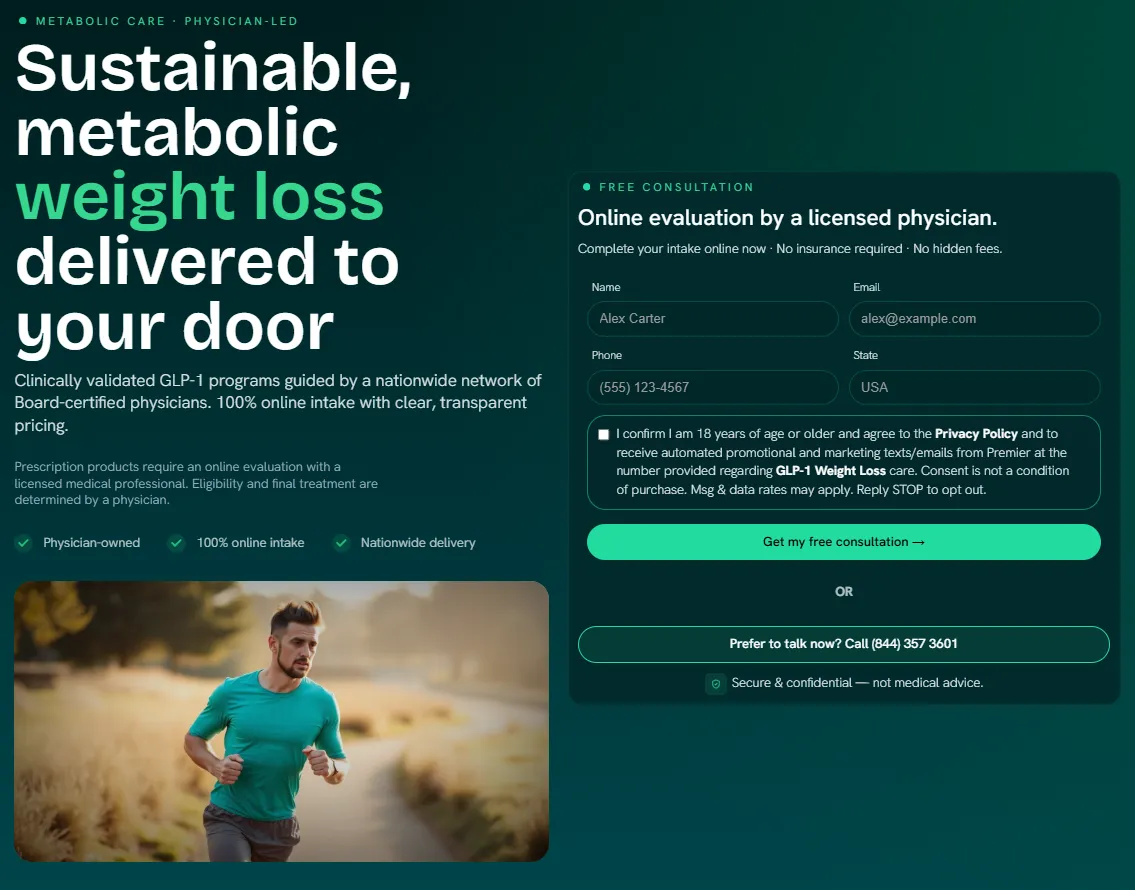
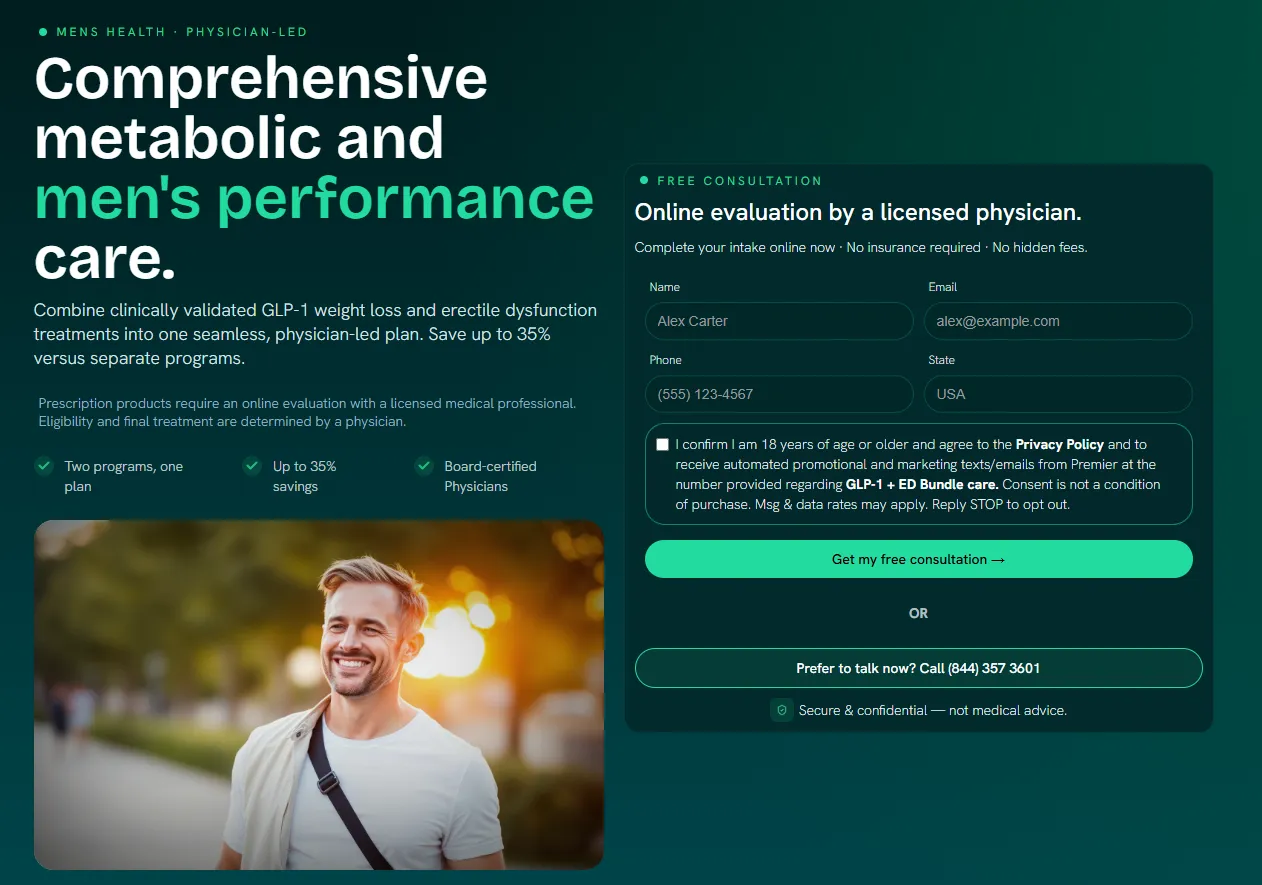
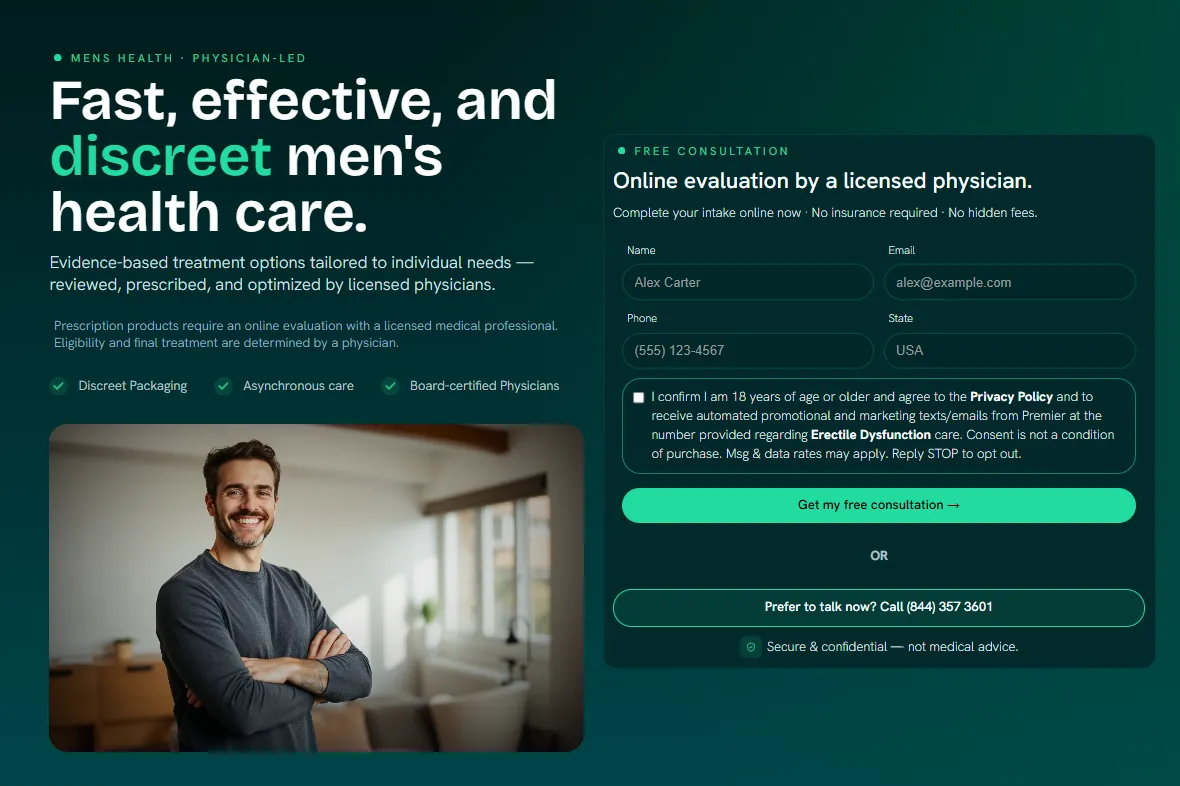
Weight management telehealth landing page with privacy-first online intake Men's health telehealth landing page, discreet and physician-led Combined telehealth programme landing page
  • Telehealth
  • United States
  • HIPAA-aligned

Compliance was blocking paid ads. Three pages fixed it.

A US telehealth provider could not send ad traffic to intake forms that were not built for HIPAA. We rebuilt intake around the Privacy Rule, put consent inside the form and kept every medical claim physician-led, across three programmes.

Pages rebuilt
3
Online intake
100%
Read the case study
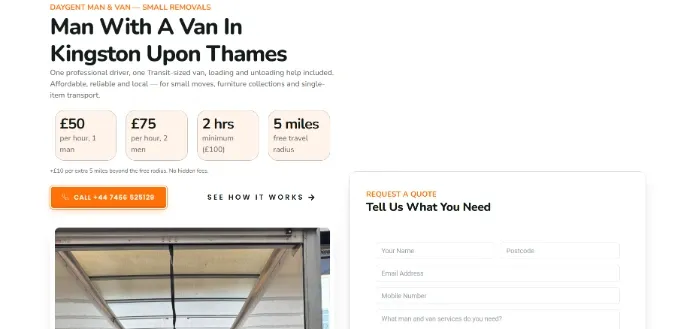
Hero of a man and van launch page with hourly prices shown above the fold

Try the price checker

£100 £50/hr × 2, inside the free 5-mile zone

Demo of the checker logic, using the launch page’s published hourly rate.

  • Removals
  • Kingston upon Thames, UK
  • Launch page

Upfront pricing and a live distance checker for a new service line.

This man and van launch page shows its hourly rate above the fold, and a postcode checker prices the job before anyone fills in a form. The demo here runs on the same published rate.

Read the UK launch case study Need logic like this? Web application development

See all 10 case studies

Which platform should your website use?

The short answer

The one your team can run. WordPress or Webflow for content-led sites, Astro when speed matters most, Shopify for most e-commerce and Odoo when the website shares data with your ERP. Custom code makes sense when the logic is the product.

What is the site’s main job?
  • Astro

    Best for: speed-first marketing sites and landing pages. Pages ship as HTML with almost no JavaScript, and editors can work in a headless CMS. This website is built with it.

    Watch out for: new page templates need a developer.

  • Webflow

    Best for: marketing teams that edit pages and launch landing pages without a developer.

    Watch out for: complex logic and memberships. Fine for marketing sites, not for apps.

  • WordPress

    Best for: large blogs and resource libraries, with plugins your developers already know.

    Watch out for: plugin bloat. We keep the plugin list short and the theme custom.

  • Shopify

    Best for: most e-commerce: fast checkout, reliable hosting and a large app ecosystem.

    Watch out for: app sprawl that slows the store. We audit every app against speed.

  • Odoo

    Best for: businesses whose website, stock, CRM and invoicing share one database.

    Watch out for: theme flexibility. We design custom blocks so it does not look like a template.

  • Custom build

    Best for: portals, calculators and booking flows that off-the-shelf tools cannot do.

    Watch out for: higher build and maintenance cost. Worth it when the logic is the product.

How fast should a website be?

Fast enough to pass Google’s Core Web Vitals on a mid-range phone: main content in 2.5 seconds or less, responses to taps in 200 milliseconds or less, and almost no layout jumping. We build to a stricter budget so pages stay in the green after content and tracking are added.

LCP
Largest Contentful Paint: how fast the main content appears
Google “good”: 2.5 s or less
Our budget: under 2.0 s
INP
Interaction to Next Paint: how fast the page responds to a tap
Google “good”: 200 ms or less
Our budget: under 200 ms
CLS
Cumulative Layout Shift: how much the layout jumps
Google “good”: 0.1 or less
Our budget: under 0.05

Thresholds: web.dev, Web Vitals. Test this page in PageSpeed Insights.

From the first wireframe to life after launch.

One team covers the whole build, so nothing gets lost between the designer, the developer and the person who reads the analytics.

  1. Art direction and web designBrand sites, corporate sites, landing pages
  2. Motion and interactionScroll storytelling, micro-interactions, reduced motion
  3. Web applications and portalsReact, Odoo, APIs
  4. CMS buildsWordPress, Webflow, Odoo, Astro
  5. E-commerceShopify, WooCommerce, Odoo eCommerce
  6. SEO and performanceTechnical SEO, Core Web Vitals, accessibility
  7. Tracking and CROGA4, server-side GTM, A/B tests
  8. Launch, hosting and care301 redirects, backups, uptime

From discovery to launch in four to six weeks.

Most marketing websites launch in four to six weeks. E-commerce and custom builds take eight to twelve. We send a fixed quote within 48 hours of the discovery call, and it changes only if the scope does.

  1. 01 · Pad

    Discovery

    Week 1

    Goals, KPIs, an analytics review and a URL inventory for redirects.

  2. 02 · Sky

    Wireframes

    Weeks 1 to 2

    A conversion-first structure for each key page, reviewed on mobile first.

  3. 03 · Edge

    Design

    Weeks 2 to 3

    High-fidelity UI in your brand system, with real copy and real proof.

  4. 04 · Orbit

    Build and track

    Weeks 3 to 5

    Development, speed budget, schema, GA4 and GTM events, and CRM connections.

  5. 05 · Live

    Launch and test

    Week 6 onwards

    301 redirects, QA on real devices, then A/B tests on the pages that matter.

Client reviews

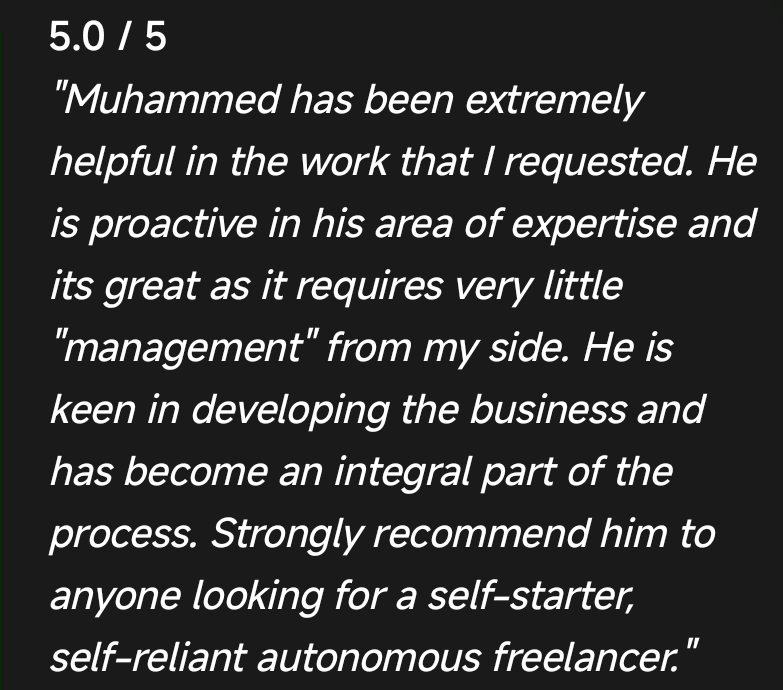
Read what 47 clients say

Read all reviews
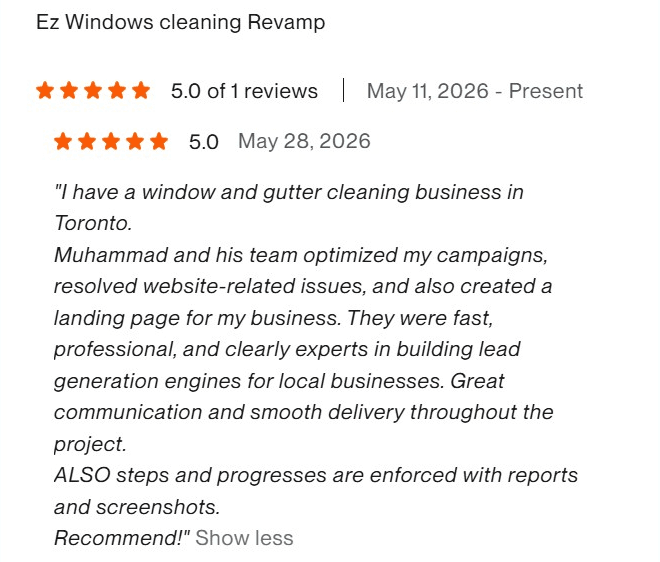
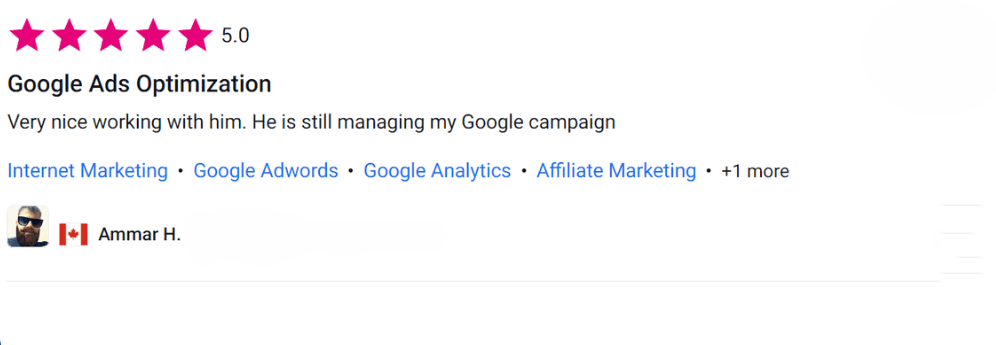
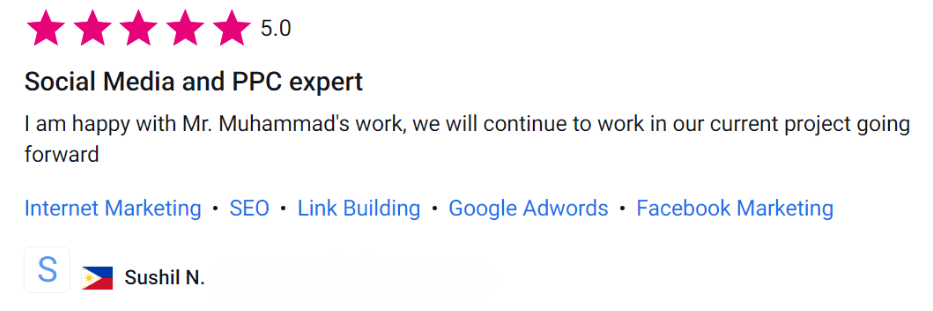
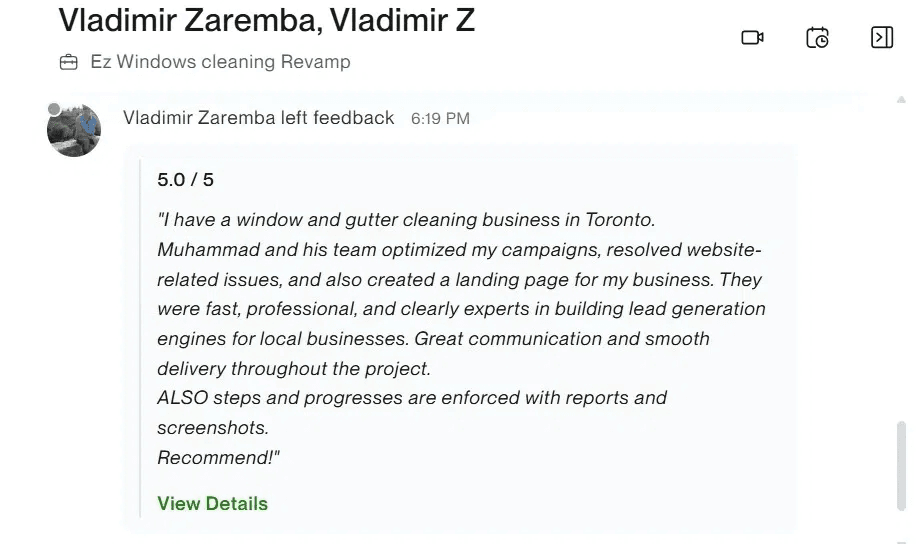
Client review of Impact Brains: window cleaning Google Ads landing page
Client review of Impact Brains: Google Ads optimisation local business
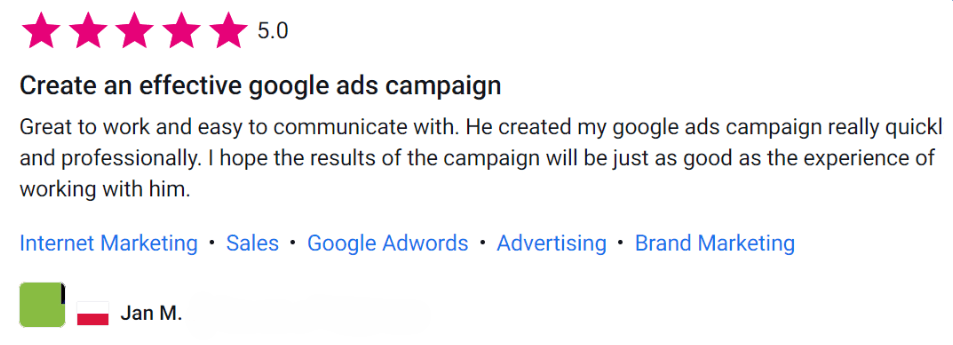
Client review of Impact Brains: effective Google Ads campaign
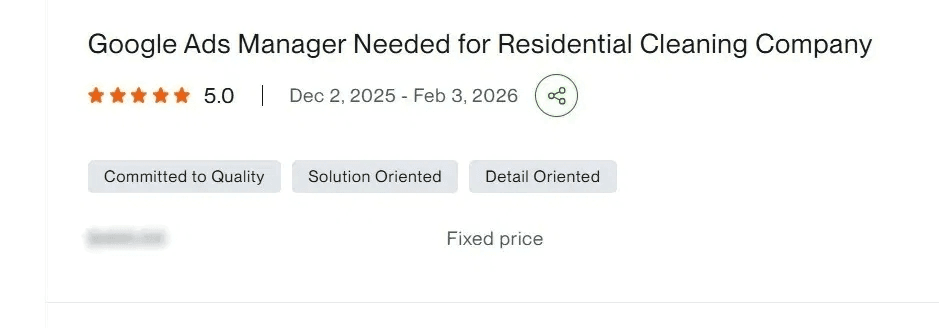
Client review of Impact Brains: residential cleaning Google Ads
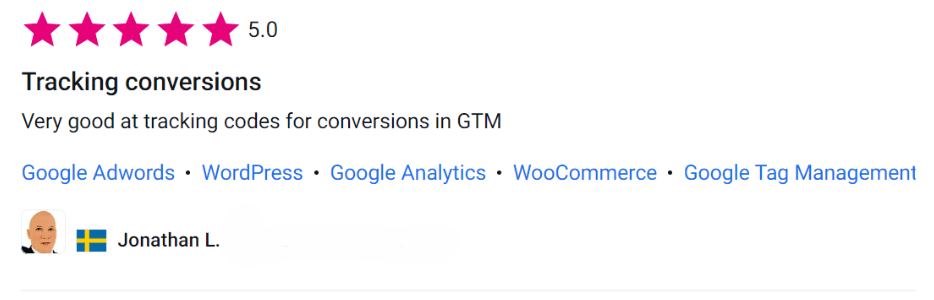
Client review of Impact Brains: GTM conversion tracking
Client review of Impact Brains: fitness social media and PPC
Client review of Impact Brains: window cleaning client
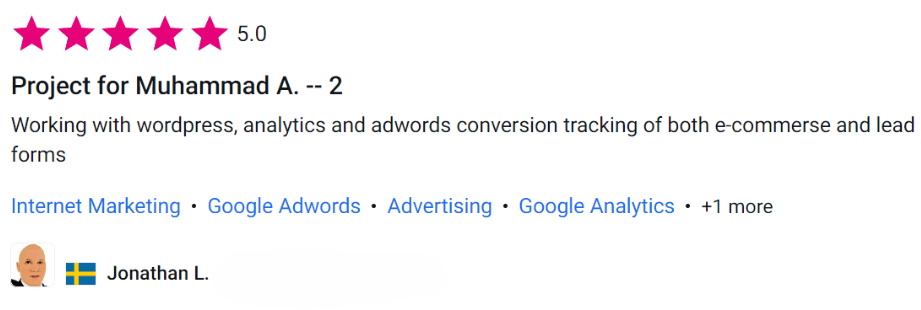
Client review of Impact Brains: ecommerce lead form conversion tracking

FAQ

Web design questions, answered

Still unsure? Book a 30-minute strategy call and ask us directly.

How long does a website take?

Most marketing websites launch in four to six weeks. E-commerce and custom builds usually take eight to twelve. You get a dated plan with the fixed quote.

How much does a website cost?

We quote a fixed price within 48 hours of a short discovery call. The price depends on the number of templates, the platform, integrations such as CRM or booking, and how much copy we write. It changes only if the scope changes.

Will a redesign hurt my SEO?

Not when it is planned. We inventory every URL, map each old address to its new one with a 301 redirect, keep the content that ranks, and check Search Console after launch.

Which platform should I choose?

The one your team can run. WordPress or Webflow for content-led sites, Astro when speed matters most, Shopify for most e-commerce, and Odoo when the website shares data with your ERP. Custom code makes sense when the logic is the product.

Do you build websites with Astro?

Yes. Astro ships pages as plain HTML with very little JavaScript, which makes it a strong choice for fast marketing sites and landing pages. This website is built with Astro.

Do you build websites for healthcare clinics?

Yes. Clinic sites need privacy-first intake, careful claims and tracking that keeps ad pixels off pages that could reveal health information, in line with UK GDPR and the ICO’s guidance. For US clients we build HIPAA-aligned intake.

Do you work with clients outside the UK?

Yes. Alongside UK clients we have built for businesses in the US, Canada, Europe and Central Asia, with calls scheduled in your working hours.

Can you build a web app or portal, not just a website?

Yes. Calculators, booking flows, client portals and internal tools are covered by our web application development service.

What happens after launch?

We monitor speed, tracking and forms, fix anything that breaks, and A/B test the pages that carry revenue. Care plans cover updates, backups and uptime.


Free, no obligation

Get a free website audit, then a fixed quote within 48 hours.

Send your site. Within two business days you get a recorded teardown of speed, message, proof and conversion paths on mobile, with the three changes that would lift enquiries fastest.

  • 40-point review of ads, pages, tracking and CRM
  • Recorded walkthrough you can share with your team
  • A prioritised fix list, whether or not you hire us
Dr. Muhammad Abdullah, founder of Impact Brains

Reviewed personally by Dr. Muhammad Abdullah, Pharm.D, MBA, Founder & Chief Systems Architect.

Add budget and challenge (optional)

Please do not include any patient, health or client personal information. We use your details only to prepare and send your audit. See our privacy notice.

or

Prefer to talk? Book a 30-minute strategy call with the founder.

Open Calendly in a new tab
Free audit Book a call