
Lost conversions
Browser restrictions and ad blockers stop many client-side tags, so platforms see only part of your results.
Server-side tracking
Server-side tracking sends events through your own server first, so you can clean, enrich or remove data before it reaches Google, Meta or anyone else.

The short answer
Server-side tracking routes tracking events from the browser to a server container you control, such as server-side Google Tag Manager, which then forwards them to analytics and ad platforms. It can improve data quality, page speed and control over personal data, but it still requires valid consent.
Where the money leaks
Browser restrictions and ad blockers stop many client-side tags, so platforms see only part of your results.
Third-party scripts can collect more than you intended, including URLs and form data.
Many marketing tags slow the browser and hurt Core Web Vitals.
How we work
Six connected layers, run by one senior team. Each layer has a deliverable and a number it is judged on, so you always know what is working.
What is a client acquisition system?Outcomes
What's included
Results from real accounts
Client names are kept private. Figures are quoted exactly as reported in each account, in the client's own currency.
Tracking infrastructure across our client portfolio · Google Tag Manager, GA4, server-side
Web and server-side Google Tag Manager containers deployed and maintained across more than 50 client accounts in nine countries.
Read the case study →Three US telehealth programmes (weight management and men's health) · Landing pages and intake forms
Intake forms were rebuilt on a HIPAA-aligned architecture, removing the compliance gap that had blocked advertising. Legal sign-off stayed with each client's own counsel.
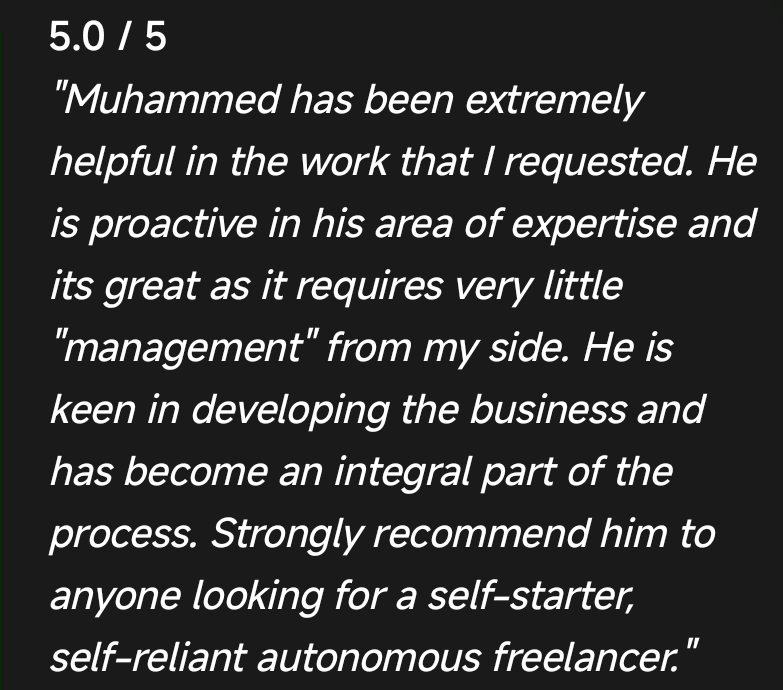
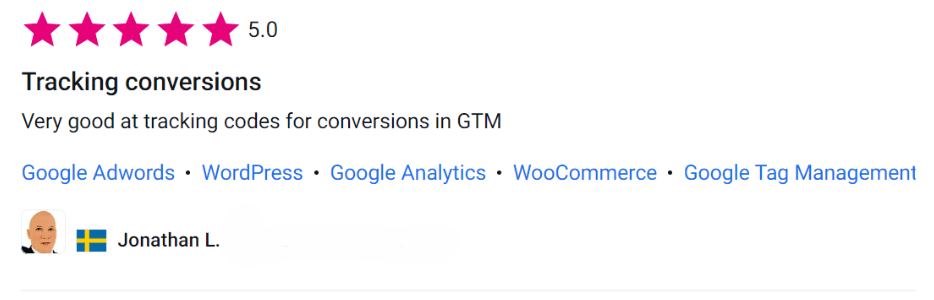
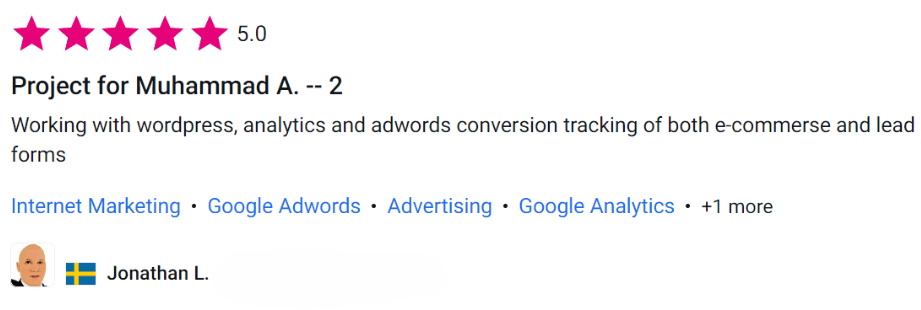
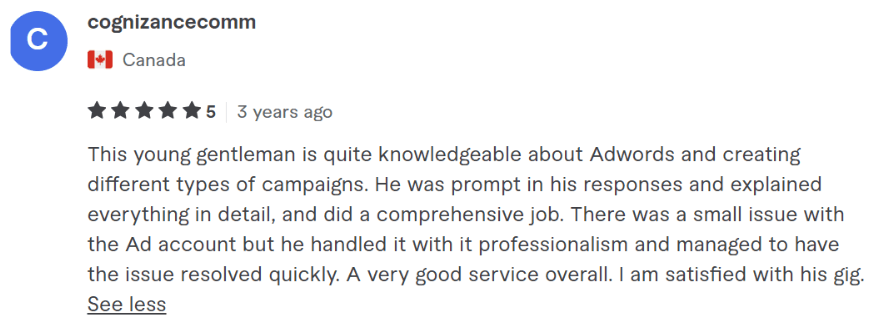
Read the case study →Client reviews
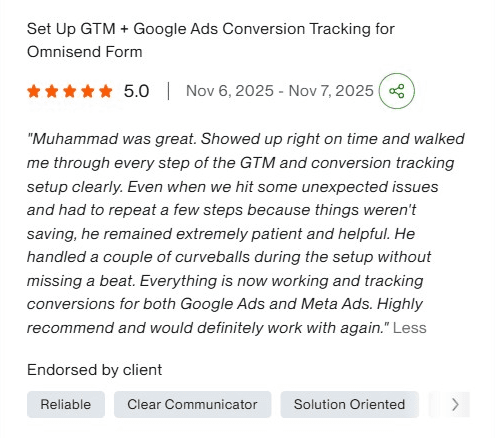
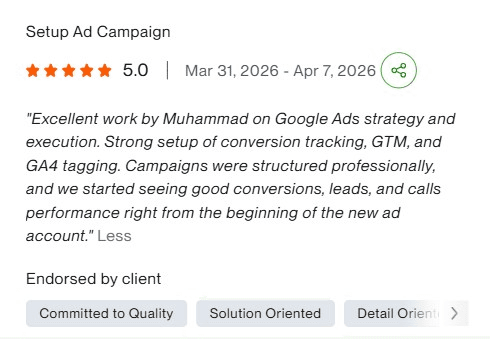
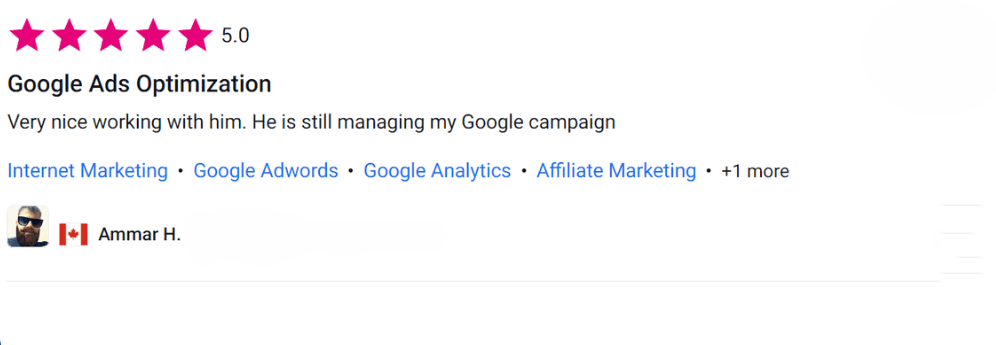
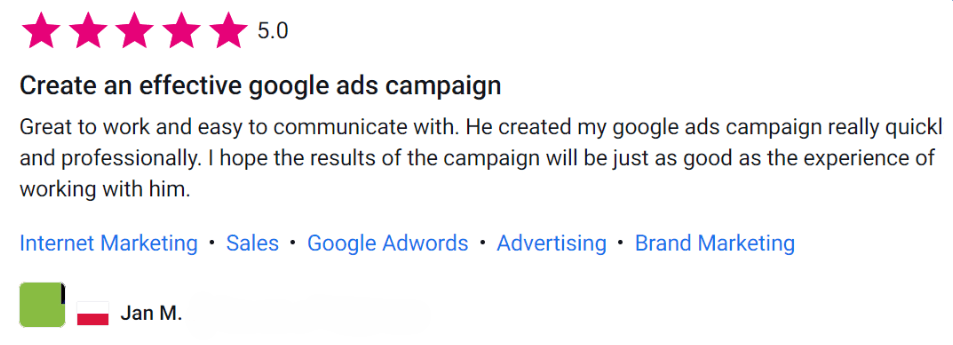
The process
Within 2 business days
We review your ads, pages, tracking and follow-up, then send a recorded walkthrough of the leaks we found and what each one costs you.
Weeks 1 to 4
Tracking first, so every later decision runs on real numbers. Then the pages and the follow-up that turn clicks into booked revenue.
Weeks 3 to 8
Campaigns built around how your buyers search and decide, measured on booked revenue rather than clicks or form fills.
Week 9 onwards
Weekly tests and a monthly revenue review. After the 90-day initial term the engagement runs month to month.

The architect behind the system
Pharm.D, MBA · Founder & Chief Systems Architect
“Most marketing problems are diagnosis problems. We find out exactly where the money leaks before we prescribe a single campaign, and we judge everything on booked revenue.”
Dr. Abdullah's doctorate is in pharmacy (Pharm.D). He is not a medical doctor and does not give clinical advice.
No. Under UK GDPR and PECR, consent rules still apply. Server-side tracking gives you more control over what is collected and shared, which helps you respect those choices.
There is a hosting cost that scales with traffic. For most small and mid-sized sites it is modest, and we size it during set-up.
It is one of the most useful tools for keeping health information away from ad platforms, alongside careful page and form design.
Free, no obligation
We review your ads, website, tracking and follow-up, then send a recorded walkthrough of where revenue is leaking and what to fix first. Within two business days, with no obligation.

Reviewed personally by Dr. Muhammad Abdullah, Pharm.D, MBA, Founder & Chief Systems Architect.
Prefer to talk? Book a 30-minute strategy call with the founder.