
Pixels on booking and condition pages
Standard tags can send page URLs, form fields and identifiers to third parties.
Compliant healthcare marketing
Many clinic websites leak sensitive data through pixels and forms without anyone noticing. We audit and rebuild your tracking, forms and campaigns so marketing works without putting patient trust at risk.

The short answer
Healthcare providers can market safely by keeping ad pixels off sensitive pages, using server-side tagging to filter data, collecting only what is needed in forms, respecting cookie consent under PECR, and never building ad audiences from health information. US-facing services must also align with HIPAA. Legal sign-off should stay with your own advisers.
Where the money leaks
Standard tags can send page URLs, form fields and identifiers to third parties.
Tags that fire before or regardless of consent create risk under PECR.
Few clinics can say exactly which tools receive which data.
How we work
Six connected layers, run by one senior team. Each layer has a deliverable and a number it is judged on, so you always know what is working.
What is a client acquisition system?Outcomes
What's included
Results from real accounts
Client names are kept private. Figures are quoted exactly as reported in each account, in the client's own currency.
Three US telehealth programmes (weight management and men's health) · Landing pages and intake forms
Intake forms were rebuilt on a HIPAA-aligned architecture, removing the compliance gap that had blocked advertising. Legal sign-off stayed with each client's own counsel.
Read the case study →Tracking infrastructure across our client portfolio · Google Tag Manager, GA4, server-side
Web and server-side Google Tag Manager containers deployed and maintained across more than 50 client accounts in nine countries.
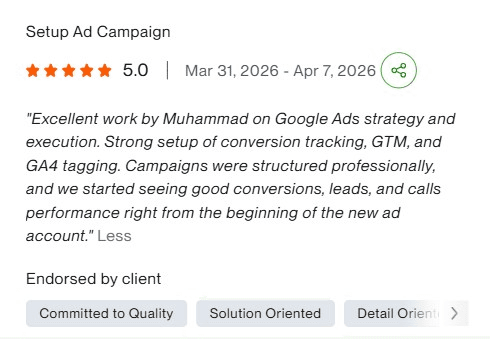
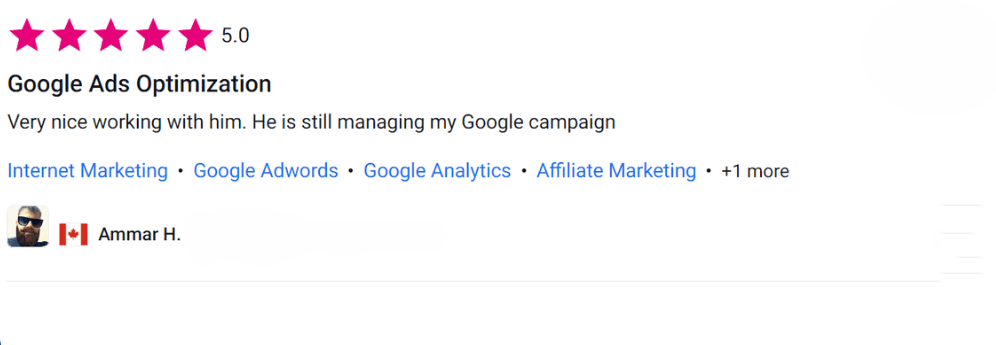
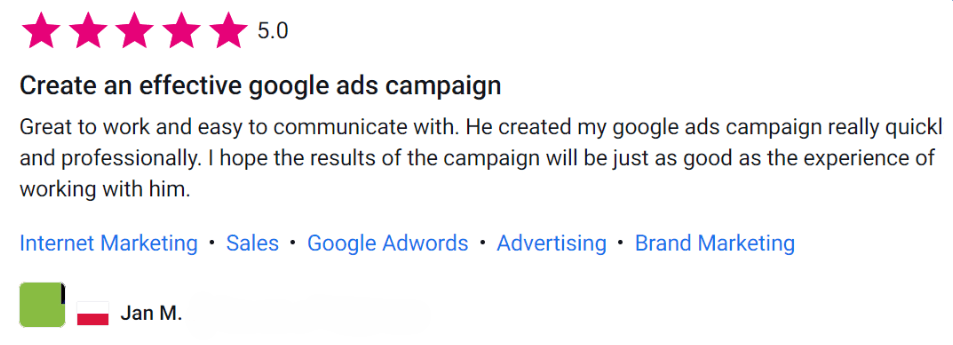
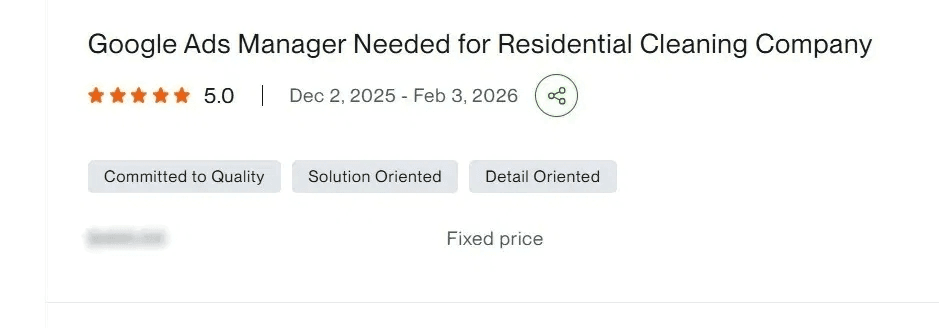
Read the case study →Client reviews

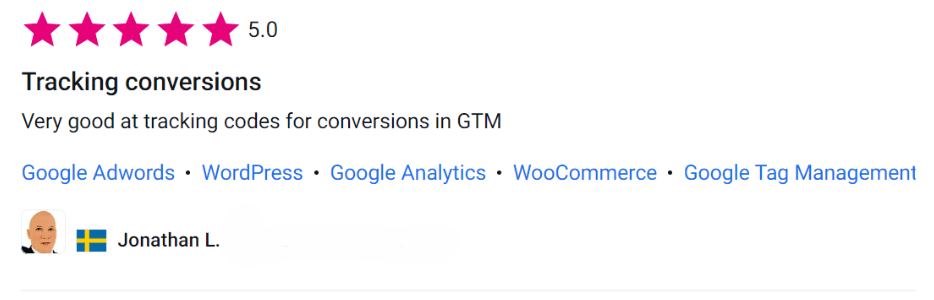
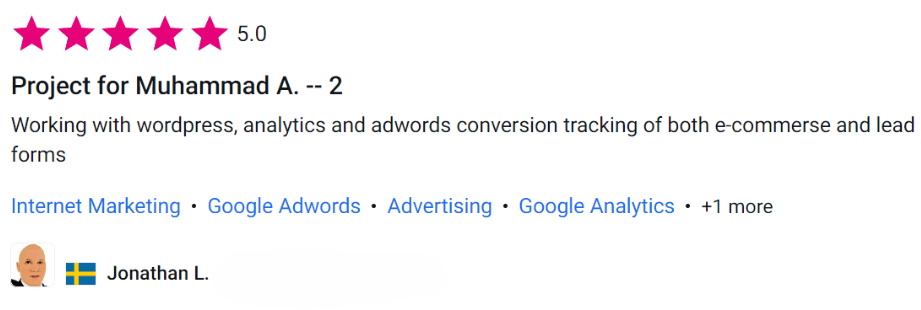
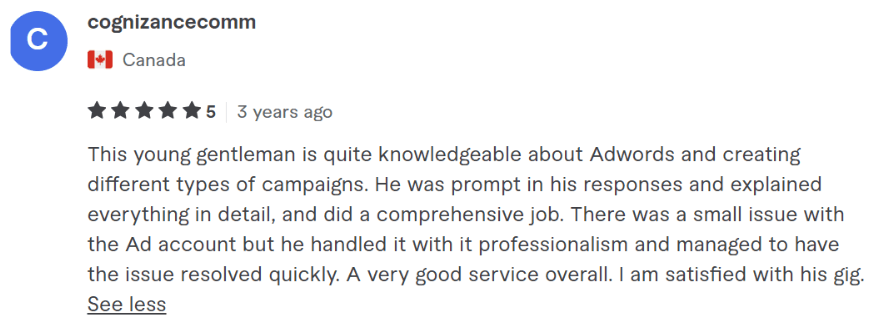
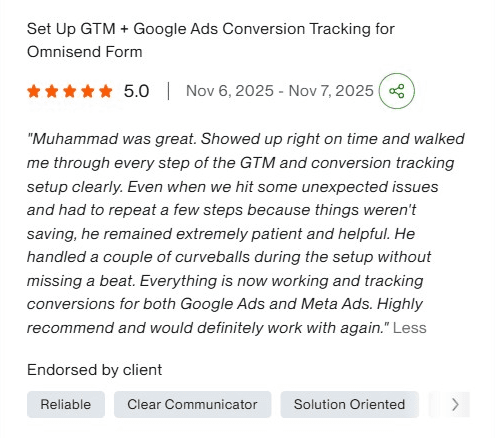
The process
Within 2 business days
We review your ads, pages, tracking and follow-up, then send a recorded walkthrough of the leaks we found and what each one costs you.
Weeks 1 to 4
Tracking first, so every later decision runs on real numbers. Then the pages and the follow-up that turn clicks into booked revenue.
Weeks 3 to 8
Campaigns built around how your buyers search and decide, measured on booked revenue rather than clicks or form fills.
Week 9 onwards
Weekly tests and a monthly revenue review. After the 90-day initial term the engagement runs month to month.

The architect behind the system
Pharm.D, MBA · Founder & Chief Systems Architect
“Most marketing problems are diagnosis problems. We find out exactly where the money leaks before we prescribe a single campaign, and we judge everything on booked revenue.”
Dr. Abdullah's doctorate is in pharmacy (Pharm.D). He is not a medical doctor and does not give clinical advice.
HIPAA is US law. UK clinics are governed by UK GDPR, the Data Protection Act 2018 and PECR. HIPAA matters if you provide services to US patients or work with US covered entities.
It depends on where and how it is used, and on consent. Pixels on pages that reveal health information create real risk. We usually remove them from sensitive pages and use filtered server-side events instead.
Done properly, campaigns keep learning from non-sensitive conversions such as booked consultations recorded server-side, so performance can be maintained while risk falls.
Free, no obligation
We review your ads, website, tracking and follow-up, then send a recorded walkthrough of where revenue is leaking and what to fix first. Within two business days, with no obligation.

Reviewed personally by Dr. Muhammad Abdullah, Pharm.D, MBA, Founder & Chief Systems Architect.
Prefer to talk? Book a 30-minute strategy call with the founder.